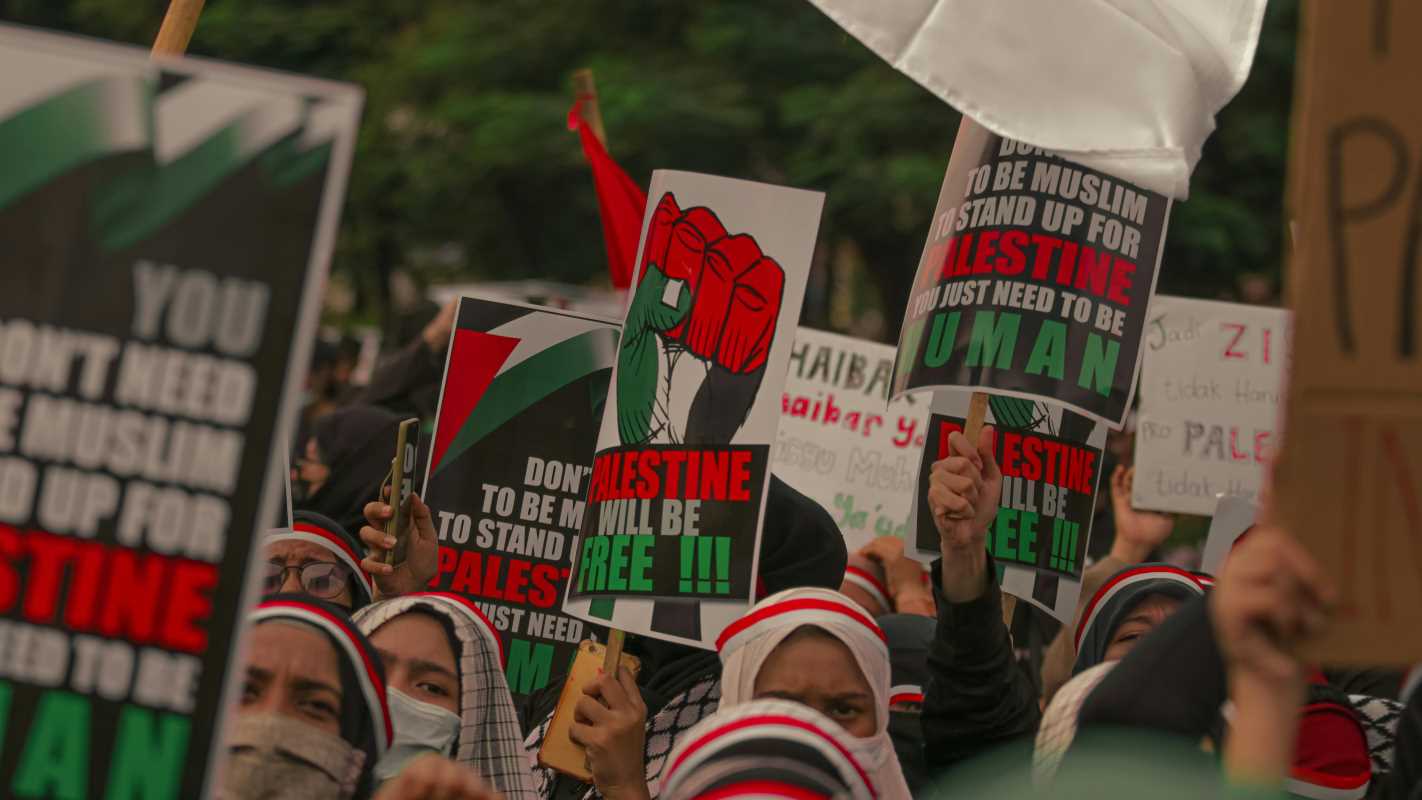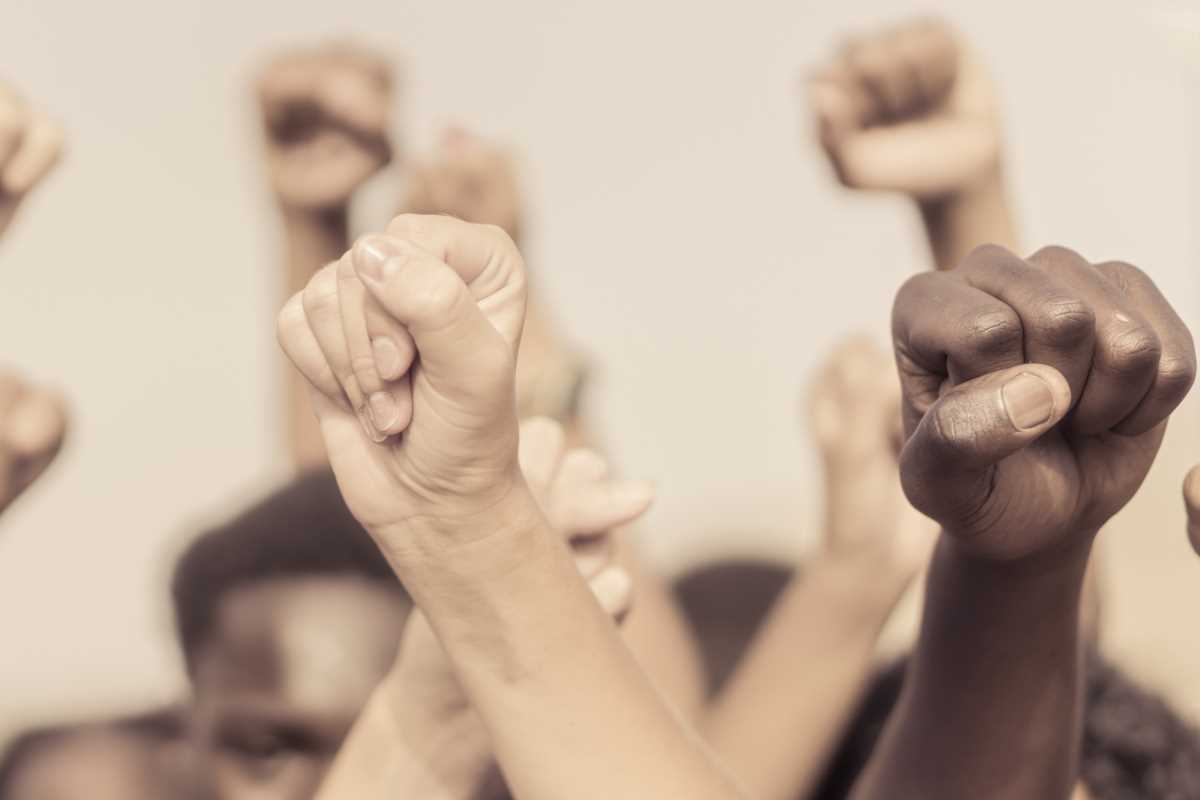
Have you ever looked at a news headline and felt like you were reading a script from two hundred years ago? When student protesters took to the streets in Bangladesh in 2024 to topple an autocrat, they weren't just fighting for today. They were channeling a ghost that's been haunting global politics since the 1700s. It's easy to think of history as a collection of dusty dates you had to memorize for a test, but that's not what it is. History is the code running in the background of your daily life.
So what does this actually mean? It means that the decisions made by a Roman senator, a French revolutionary, or a post-war diplomat aren't just "interesting facts." They're the literal boundaries of what you can and can't do today. This article explores the major historical touchpoints that formed the bedrock of our 2026 social structures and political realities.
The Ghost in the Legal Machine
Think of Roman Law like the original operating system for the modern world. You might not speak Latin, but if you've ever signed a contract or bought a house, you're using Roman logic. Today, about 150 nations (covering over 60% of everyone on Earth) operate under civil law systems that come straight from the Romano-Germanic tradition.
The principle of pacta sunt servanda (agreements must be kept) is still the heart of every international treaty we sign in 2026. Whether it's a trade deal or a climate accord, it's held together by a rule written millennia ago. Even as we scramble to regulate things like AI and digital contracts, lawyers are still leaning on the Roman concept of bona fides (good faith) to set the standards.
It's not just about dry legal text, though. Our very ideas of citizenship and rights were hashed out in the forums of Rome and the assemblies of Greece. When you hear politicians debate who deserves the protections of the state, they're recycling arguments that are thousands of years old. Ancient religious texts and philosophies have also done the heavy lifting in shaping our global ethics. They provided the "moral architecture" that modern secular laws still inhabit.
Why We Still Fight Like It is 1789
The 18th century was a massive explosion of ideas that we're still cleaning up after. The American, French, and Haitian revolutions didn't just change who was in charge. They changed what people thought was possible. They gave us the blueprint for nationalism, human rights, and the idea that a government only exists because the people let it.
You can see this legacy in the headlines from just a couple of years ago. In 2024, massive student-led protests in Bangladesh and public pressure in Senegal successfully checked autocratic regimes. These activists were explicitly using the language of "popular sovereignty" and "liberty." In the United States, the recent "No Kings" movement reacted to judicial rulings on executive immunity by pointing directly back to 1776 standards.
We often overlook the Haitian Revolution, but experts say it's the true ancestor of our 2026 racial justice movements. Although other revolutions were talking about the rights of "men" (usually meaning white, land-owning men), Haiti was the first to demand universal human rights regardless of race. As we hit the 250th anniversary of the Declaration of Independence this July, you'll see these old revolutionary blueprints being argued over once again.
The 1945 Order on Life Support
The international system we're living in right now (the UN, the IMF, the World Bank) was a "emergency fix" created in 1945 after the world almost destroyed itself. For decades, this post-WWII structure kept a lid on total global war, but today it's in what experts call a "global rule of law recession."
The numbers are pretty grim. The World Justice Project 2024 Index found that the rule of law declined in 57% of countries surveyed recently.L Since 2016, 81% of countries have seen a decline in fundamental rights.² We're seeing a massive pushback against the old 1945 rules. At the G20 Summit in Rio, leaders from Brazil and China called for a total gutting of the UN Security Council, arguing that the "veto power" system from 80 years ago doesn't make sense in a 2026 world.
We're also seeing the rise of "multipolarity." The expansion of the BRICS+ group is a direct challenge to the old financial systems set up at Bretton Woods. As we mark the 80th anniversary of the end of WWII this year, it feels like the post-war era is finally expiring. We're entering a "post-American" primacy where the old 1948 Universal Declaration of Human Rights is being openly ignored in conflicts from Gaza to Ukraine.
The Great Divide
If you're worried about your job being replaced by a robot or why the gap between the rich and poor feels like a canyon, you're dealing with the hangover of the Industrial Revolution. The initial phase of industrial capitalism created a system of economic stratification that we haven't been able to shake.
- Systemic Inequality: The way wealth was concentrated in the 1800s set the stage for the property laws and tax structures we have today.
- Labor Rights: The 2026 debates about automation and the "gig economy" are just the newest version of the labor movements from a century ago.
- Regulatory Frameworks: Our current responses to economic crises (like the post-pandemic recovery) are conditioned by historical theories on how markets should behave.
The way we handle wealth distribution isn't some natural law. It's a series of historically conditioned choices. When we talk about workers' rights in the age of AI, we're using the same vocabulary developed by factory workers who were fighting for an eight-hour day.
This article on somehistory.com is for informational and educational purposes only. Readers are encouraged to consult qualified professionals and verify details with official sources before making decisions. This content does not constitute professional advice.